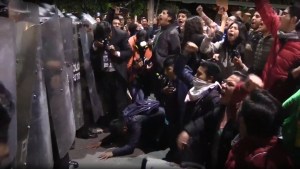
The city of Rio de Janeiro, Brazil, experienced a major security operation in the Vila Cruzeiro favela in late October 2025. The action, executed by the military police of the province of Rio de Janeiro, resulted in a high number of fatalities. On 29 October 2025, the official death toll from the police action was raised to 132 (Al Jazeera). The operation was directed against a major criminal organisation and drew focus to the structural challenges faced by the Brazilian state in managing high-intensity urban conflict within its major metropolitan areas. This event ranks among the most high-casualty police operations in the recorded history of the city’s security actions.
Operational Details and Institutional Consequences
The Security Action in Vila Cruzeiro
The large-scale operation was initiated by the military police of the Province of Rio de Janeiro, specifically targeting the Comando Vermelho (Red Command) criminal organisation (Time). The Red Command is one of the most prominent criminal organisations operating within the metropolitan region of Rio de Janeiro, generating revenue from narcotics trafficking, illegal arms sales and extortion networks (Time). The specific operational objective was to penetrate the core areas of the Vila Cruzeiro favela to disrupt the organisation’s command structure, dismantle its logistical and financial networks and seize illegal assets.
The nature of the police action involved intense armed confrontation due to the fortified positions and defensive tactics utilised by the criminal group within the dense, unplanned urban landscape. The deployment included specialised military police units and, in some instances, armoured vehicles to secure movement within the highly contested area. The confrontation occurred as part of the State of Rio de Janeiro’s recurring strategy for confronting criminal organisations’ control over urban territories (Financial Times). The intensity of the engagement directly contributed to the magnitude of the casualties recorded.
Casualty Toll and Institutional Scrutiny
The official fatality count resulting from the police operation was revised upwards to 132 on 29 October 2025 (Al Jazeera). This figure, confirmed by the local security institutions, places the operation among the most high-casualty security actions conducted in the city of Rio de Janeiro. The scale of the fatalities immediately placed the operational conduct and protocols employed by the security forces under comprehensive institutional scrutiny.
Reports from media outlets confirmed the scope of the fatalities, prompting various civil society organisations to formally request comprehensive, independent investigations into the circumstances surrounding the deaths (Al Jazeera). The high-casualty outcome necessitates that the judicial and political institutions of the state address the legality and proportionality of the force employed during the security operation, particularly given the location within a dense civilian environment. This institutional requirement generates a structured tension between state security apparatuses and civil oversight bodies regarding the application of police enforcement mandates.
Concluding Forecast
The security operation in the Vila Cruzeiro favela highlights a systemic and structural security challenge for the Brazilian state: how to reconcile the institutional requirement to neutralise criminal organisations with the imperative to limit civilian harm and maintain the rule of law.
One likely trajectory involves a renewed and necessary focus on judicial and legislative control over police use-of-force protocols. The scale of the death toll necessitates that judicial institutions conduct thorough, independent inquiries into the operation’s conduct. The provincial government faces the institutional choice of either absorbing the political cost of the operation’s outcome or introducing more stringent legislative and tactical restrictions on police actions within urban territories, seeking to reduce the operational risk to the society.
A second structural challenge concerns the resulting territorial vacuum. While the operation may have temporarily disrupted the Red Command’s operational capacity, the underlying economic and societal conditions that facilitate the organisation’s emergence remain. The political imperative for the government of Rio de Janeiro is to follow security operations with sustained public services and governance structures to prevent the immediate resurgence of the Red Command or the emergence of a rival criminal organisation attempting to claim the vacated territory. The findings of the official judicial inquiries into the operation’s conduct will be determinative in shaping the security mandate for the future of Brazil’s metropoles.