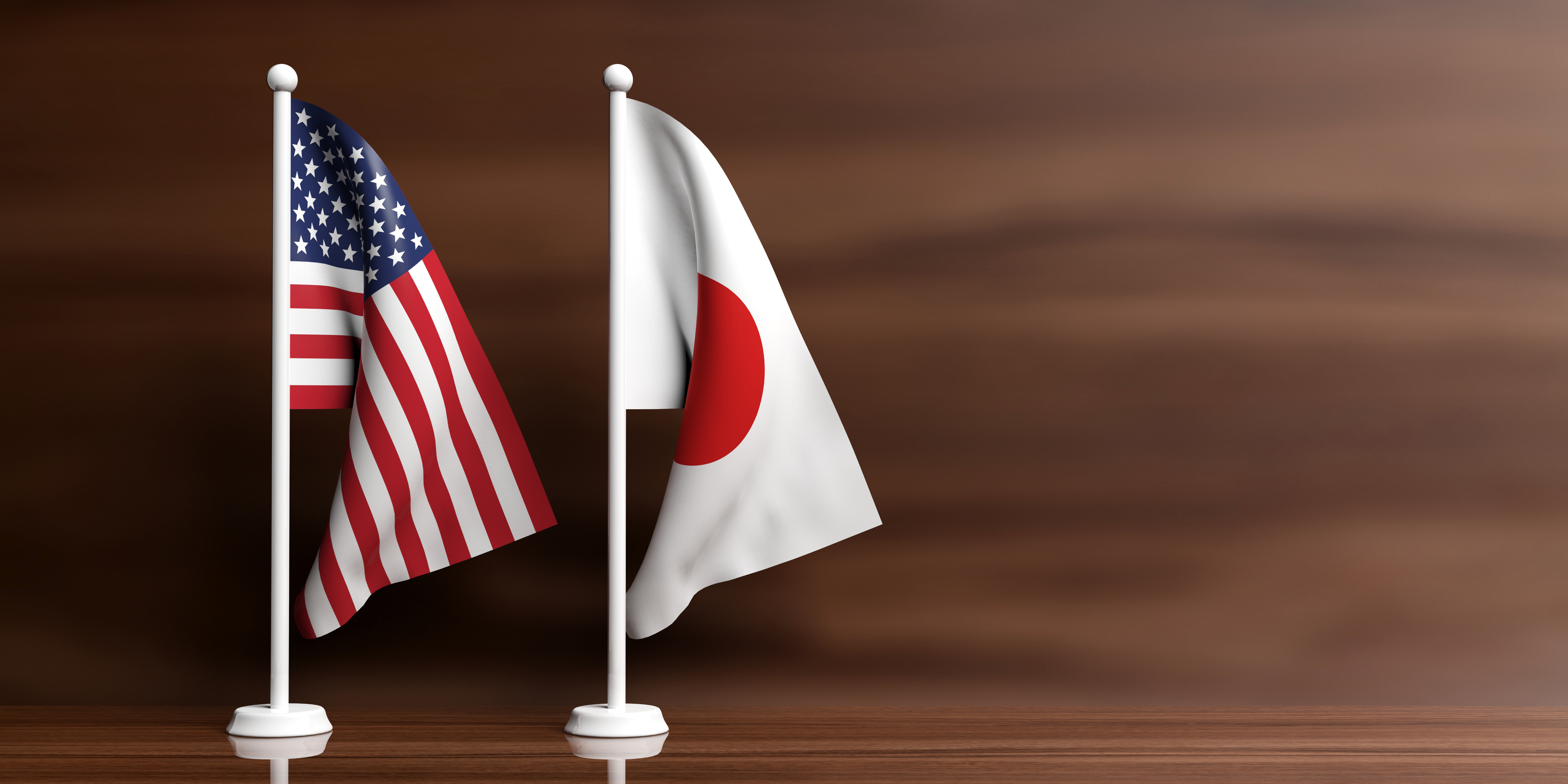

The governments of Japan and the United States of America (hereinafter: USA) concluded a landmark agreement on 28 October 2025, focused on securing the stable supply of rare earth elements and critical minerals. This bilateral accord is viewed as an essential component of the national security and industrial policy for both nations. The agreement formalises a commitment to strengthen resilient supply chains for materials indispensable to advanced technology sectors. The Ministry of Foreign Affairs of Japan (hereinafter: MOFA) confirmed the conclusion of the pact, underscoring the institutional focus on economic security and the diversification of sourcing for these globally essential inputs. The necessity of these strategic materials for the long-term technological competitiveness of Japan and the USA has elevated the agreement to the highest level of diplomatic priority.
Bilateral Agreement Reached at High Level
Diplomatic Confirmation and Mandate
The agreement was confirmed during high-level diplomatic exchanges between the two states. Reuters reported that the Prime Minister of Japan, Sanae Takaichi, and the President of the USA reached a consensus to secure the supply of these critical raw materials. The Ministry of Foreign Affairs of Japan publicly released a statement confirming the substance of the agreement, which covers cooperation across the entire supply chain, from raw material extraction to advanced processing and recycling technologies. This top-level commitment provides the institutional mandate necessary for rapid implementation across relevant agencies in both nations.
The negotiation and finalisation of the pact reflect a mutual understanding that reliance on a concentrated, narrow range of external sources for crucial industrial inputs presents an unacceptable geopolitical and economic risk. The government of Japan views the agreement as an important mechanism to fortify its technological and industrial base, which relies heavily on high-specification materials for exports and domestic innovation. The accord establishes a formal framework for sustained collaboration, committing both governments to a strategic partnership that prioritises supply chain resilience over short-term market fluctuations.
Strategic Context of Critical Minerals
Critical minerals and rare earth elements are fundamental, non-substitutable components for modern high-tech industries. These materials, which include elements such as lithium, cobalt and various lanthanides, are essential for manufacturing electric vehicle batteries, advanced semiconductors, sophisticated defence systems and renewable energy infrastructure. For Japan, a global leader in automotive technology, robotics and advanced electronics, the secure availability of these inputs is a necessity for maintaining economic vitality and technological leadership in the 21st century.
The structural vulnerability faced by Japan and the USA stems from the highly concentrated global processing and supply infrastructure for these minerals. This concentration subjects the industrial bases of both nations to potential political pressure or supply disruptions. By entering into this agreement, both states are undertaking a coordinated institutional effort to de-risk their high-tech manufacturing sectors, which form the bedrock of their respective economies. This strategic alignment aims to build a parallel, resilient supply network that is insulated from singular geopolitical risks.
Securing Supply Chains for Future Industry
Focus on Supply Chain Resilience for Japan
The industrial policy of Japan has identified the stability of critical mineral supply as a national security issue. Japan’s dependence on external sources for nearly all its rare earth and critical mineral requirements poses a structural risk to its core manufacturing sectors, including the production of advanced magnetics used in wind turbines and electric motors. A disruption in the supply of even one key material could severely impede the productivity of major Japanese corporations and undermine the nation’s commitments to transitioning to green energy technologies.
The agreement between Japan and the USA is intended as an institutional answer to this vulnerability. It facilitates coordinated government investment into diversification projects outside of the current dominant supply routes, potentially supporting new mining ventures in third-party nations, provided those ventures adhere to high environmental and labour standards. The commitment to joint action reflects a shared understanding that market mechanisms alone are insufficient to address the geopolitical concentration of these resources. This effort is vital for ensuring that Japan can continue to meet the domestic and international demand for its high-quality manufactured goods.
Scope of Cooperation and Technological Depth
The scope of cooperation outlined in the agreement extends beyond simple sourcing arrangements. It is expected to encompass significant collaborative efforts in several technological domains. This includes joint research and development (R&D) focused on more efficient and environmentally sound methods for extracting and processing critical minerals, alongside investment in advanced recycling technologies to recover high-value materials from electronic waste. The establishment of shared reserve stockpiles is also an implied component of such a comprehensive supply deal, providing an immediate buffer against sudden disruptions and ensuring stability for the high-tech manufacturing sector of Japan.
The objective of this deep cooperation is to create an integrated ecosystem that spans from secure raw material extraction through to final product manufacturing across both Japan and the USA. This institutionalisation of a parallel supply chain is a strategic attempt to ensure that the economic rivalry of the 21st century is not determined by control over primary resources, but rather by the technological capabilities of resilient and diverse economies. The agreement reflects a proactive approach by Japan to safeguard its industrial future.
Concluding Commentary
The bilateral agreement between the USA and Japan on critical minerals supply initiates a period of concerted institutional effort aimed at restructuring global commodity dependence. The trajectory of this initiative will be determined by its ability to execute two complex mandates.
First, the institutional challenge lies in effectively allocating government capital to accelerate the development of alternative mineral sources. This requires overcoming the lengthy permitting, environmental and infrastructure development timelines inherent in large-scale mining projects. The success of the agreement is contingent upon demonstrating tangible progress in establishing new, commercially viable supply chains within the next three to five years.
Second, the long-term political challenge will be the management of dependencies of such supply chains. The goal of the USA is clearly to build dependencies with other nations in its competition with China for economic power. Their presence at almost all diplomatic tables and recent agreements with other powers, such as Türkiye, signal that Japan, too, should be in a dependent relationship with the USA. Japan will have to find a way to avoid such a dependency while extracting maximum value from the deal.