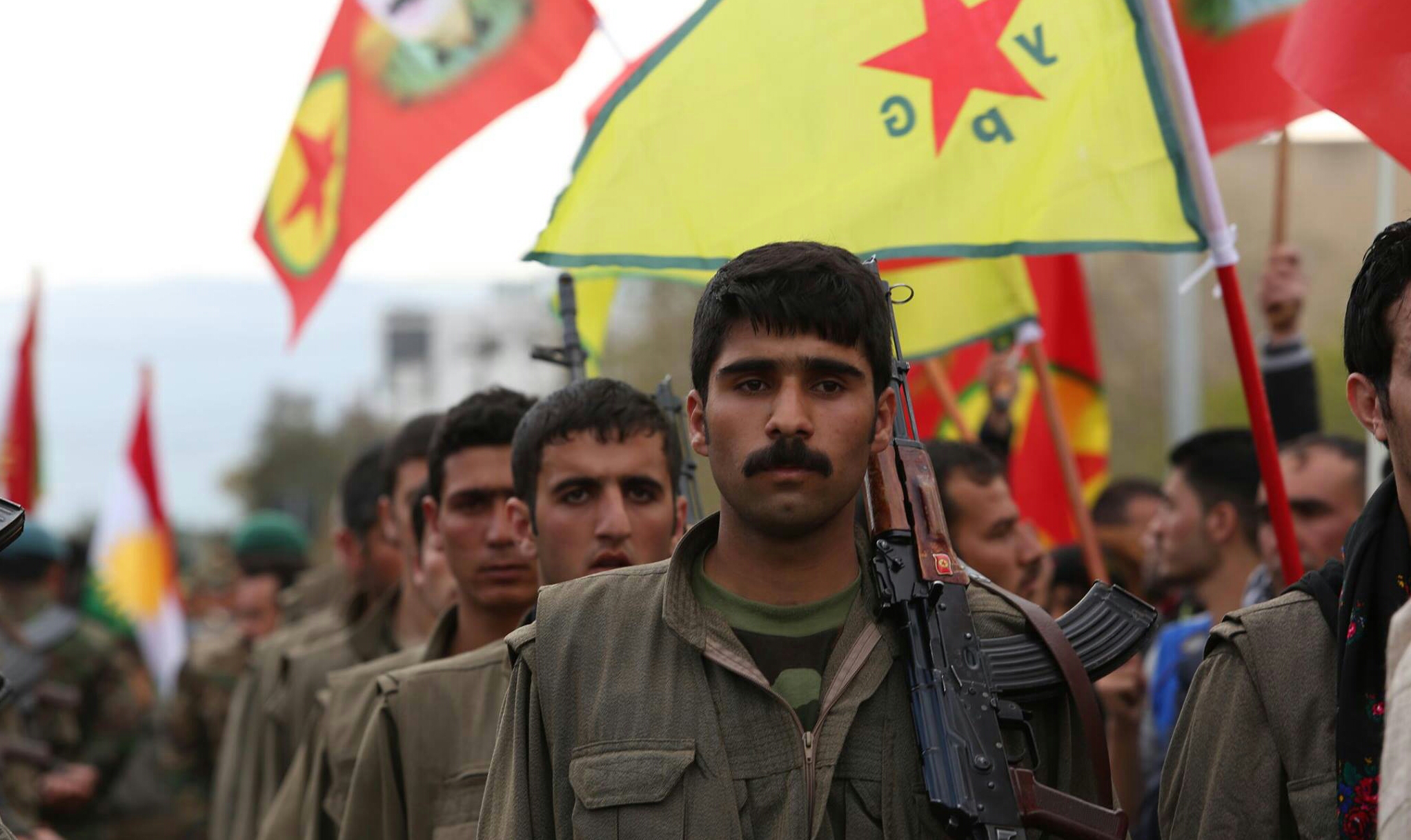

The terror organisation Kurdistan Workers’ Party (hereinafter: PKK) announced on 26 October 2025, its decision to commence its withdrawal of its fighters from the territory of Türkiye (Anadolu Agency). This operational directive instructs the group’s fighters to relocate to designated bases in northern Iraq, specifically within the Qandil mountains region. The announcement, issued by the terror organisation’s command, marks a significant development in the decades-long war of the PKK against the Turkish nation and its institutions and people. This decision was immediately followed by official political statements from the ruling Government of Türkiye, signaling a cautious, yet institutional, recognition of the move.
The Decision to Withdraw and Operational Plans
Relocation of Terrorists to Northern Iraq
The directive for the PKK withdrawal was relayed through the terror organisation’s channels, confirming the plan to move its forces out of Turkish territory. According to Al Jazeera, this phased withdrawal is expected to move the terror group’s fighters toward established strongholds located in northern Iraq. The relocation process is directly related to the broader security and political discussions aimed at achieving a resolution to the conflict. The operational specifics of the withdrawal, including the movement’s routes and logistical details, remain subject to the complexities of the mountainous geography and the security considerations of the region.
The announcement generated a substantial response within Turkish society, as reported by T24. The development is perceived by various political and social segments as an essential step toward achieving lasting security and stability within the nation’s eastern and southeastern regions, where the terror group has historically operated. This public discourse highlights the deep societal investment in finding a resolution to the security issue. However, doubts remain whether the whole operation is just a distraction. Since the beginning of the year, the Turkish government and its opposition have stayed in close contact with Kurdish interest groups, raising fears that the terrorists will move from fighting to furthering their interests through political institutions.
Government and Political Response to PKK withdrawal
Ruling Party Views Move as Progress
The announcement of the PKK withdrawal elicited a formal and measured response from the ruling Justice and Development Party (hereinafter: AKP). The party’s official statements viewed the decision as a necessary first step and a signal of potential progress toward the ultimate objective: a state completely free from the security threats posed by the terror organisation. According to the Anadolu Agency, senior officials from the AKP interpreted the withdrawal, coupled with a signal of eventual disarmament, as demonstrating a commitment to the political track.
The government of Türkiye has consistently maintained that a lasting resolution requires not only the complete withdrawal of all armed PKK fighters from Turkish territory but also their full disarmament and subsequent demobilisation. The ruling party’s policy framework views the current withdrawal decision as satisfying the first of these two requirements, thereby opening a tentative pathway toward negotiating the second, more complex stage of disarmament. Political analysts note that the government’s cautious approach is reflective of the institutional requirement to manage both domestic political expectations and the inherent security risks associated with such a sensitive process.
The political trajectory of this process is subject to domestic consensus and close monitoring of events on the ground. The government’s reaction maintains the institutional stance that the security of the nation is non-negotiable, but that political resolution is the preferred mechanism for achieving stability. The eventual verifiable success or failure of the withdrawal process will be determinative in shaping the government of Türkiye’s future strategy regarding the conflict with the terror group. Further, the government will need to clearly show that the political system remains clean of terror interests that might find their way through diplomatic channels.
Concluding Forecast
The announced PKK withdrawal initiates a new, cautious phase in the security dynamics of Türkiye. The ultimate success of this process hinges on two primary challenges that the government of Türkiye and the nation must navigate.
First, the institutional challenge lies in verifying and monitoring the completeness of the withdrawal. The government must establish effective, transparent mechanisms to confirm that all armed fighters and materiel belonging to the terror group have been removed from Turkish territory. A failure to achieve full verification will undermine public confidence and allow political opposition to question the sincerity of the process, potentially halting further diplomatic steps toward disarmament.
Second, the political challenge requires the elimination of the interests of this group on Turkish soil. With increased institutional contact with Kurdish civil society organisations and political parties, the Turkish government must control the ties of those organisations meticulously. Since the beginning of 2025, there have been multiple developments that hint that the PKK is not dissolving but transforming. Therefore, the announced withdrawal from Turkish soil might be a distraction manoeuvre to win the public’s trust.