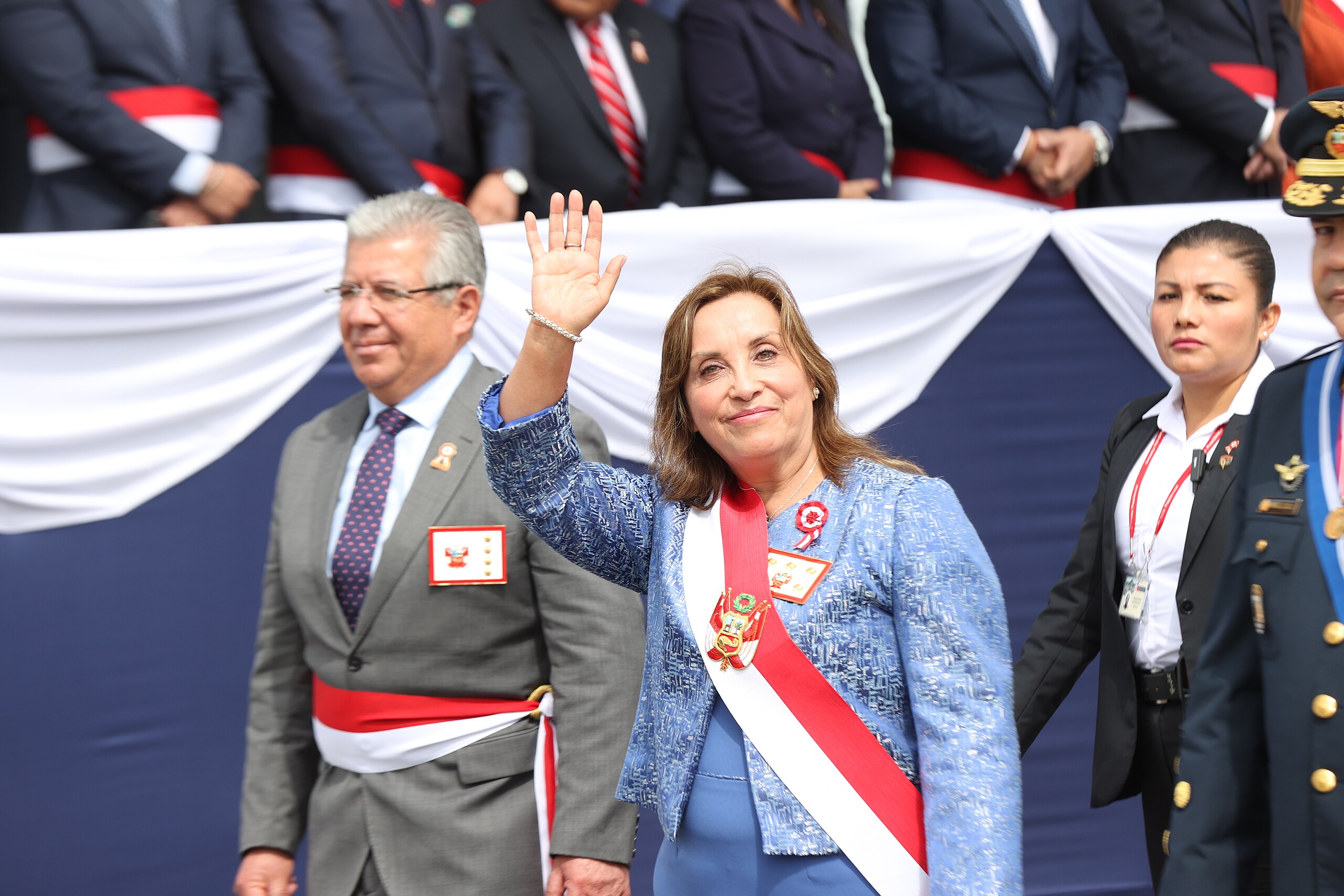

The Parliament of the Republic of Peru has voted to remove President Dina Boluarte from office, culminating a period of intense political pressure driven by a nationwide crime wave and a severe economic recession. The vote, held on Friday, 10 October 2025, invoked the constitutional clause of “permanent moral incapacity.” Following the ouster, the head of Parliament, José Jerí, was sworn in as the nation’s interim president, marking another abrupt leadership change in the politically volatile Andean state.
The Parliamentary Vote and Justification
The motion to remove President Boluarte succeeded after two previous failed attempts, signalling a decisive shift in the political consensus within the fragmented legislature. According to reports from Al Jazeera and other international news agencies, lawmakers overwhelmingly cited the government’s inability to manage the escalating security crisis as the primary justification for her removal.
The constitutional mechanism used, “permanent moral incapacity,” is a clause frequently employed in Peru’s political system to remove sitting presidents. While broad in its definition, it was leveraged by members of Parliament to reflect the widespread public discontent with the state of the nation. President Boluarte’s public approval ratings had plummeted to below 10%, as reported by Reuters, leaving her with little political support to fend off the impeachment proceedings.
A Nation Gripped by Crime and Recession
The political crisis that led to Boluarte’s ouster is rooted in tangible social and economic emergencies. The nation is experiencing an unprecedented crime wave, with organised criminal groups and extortion rackets expanding their influence, leading to a breakdown in public safety and a loss of confidence in the state’s ability to provide security.
This security crisis has been compounded by a deepening economic recession. As a major global supplier of copper, Peru’s economic downturn has had significant consequences for its population, exacerbating poverty and social unrest. The Financial Times noted that this combination of rampant crime and economic hardship created an unsustainable political environment for the now-former president, leading directly to her removal.
Succession and the Path Forward
In accordance with Peru’s constitutional line of succession, the presidency was immediately transferred to the head of the legislature. The Peruvian Times confirmed that José Jerí of the Somos Perú party, a Member of Parliament, was sworn in as the interim president shortly after the vote. As the new head of state, Jerí inherits the formidable challenges of tackling the crime wave and steering the economy out of recession. His immediate task will be to form a new cabinet and attempt to build a stable governing coalition within the same fractured Parliament that removed his predecessor.
Concluding Forecast
The removal of President Boluarte marks another chapter in Peru’s persistent political instability. The immediate challenge for interim President José Jerí will be to address the security and economic crises that led to his predecessor’s downfall. Like other South American nations, such as Ecuador or Haiti, Peru will have to find a way to end the widespread violence, as this is hampering growth and societal development. Just like Ecuador, proper system diagnostics is important here to understand the structural reasons for the violence, not the superficial ones. Frequent government changes will unlikely help the situation, which is why the new government will need to find immediate responses to win time for a more structural improvement of the nation.
Potentially, international help in economic terms might work for the new government because, with clever deals, the economic pressure might ease in the short run, giving Jerí the time to adapt national fiscal and security policies. However, the danger of dependency persists with such an approach, making the selection of the right partners a crucial aspect to consider.