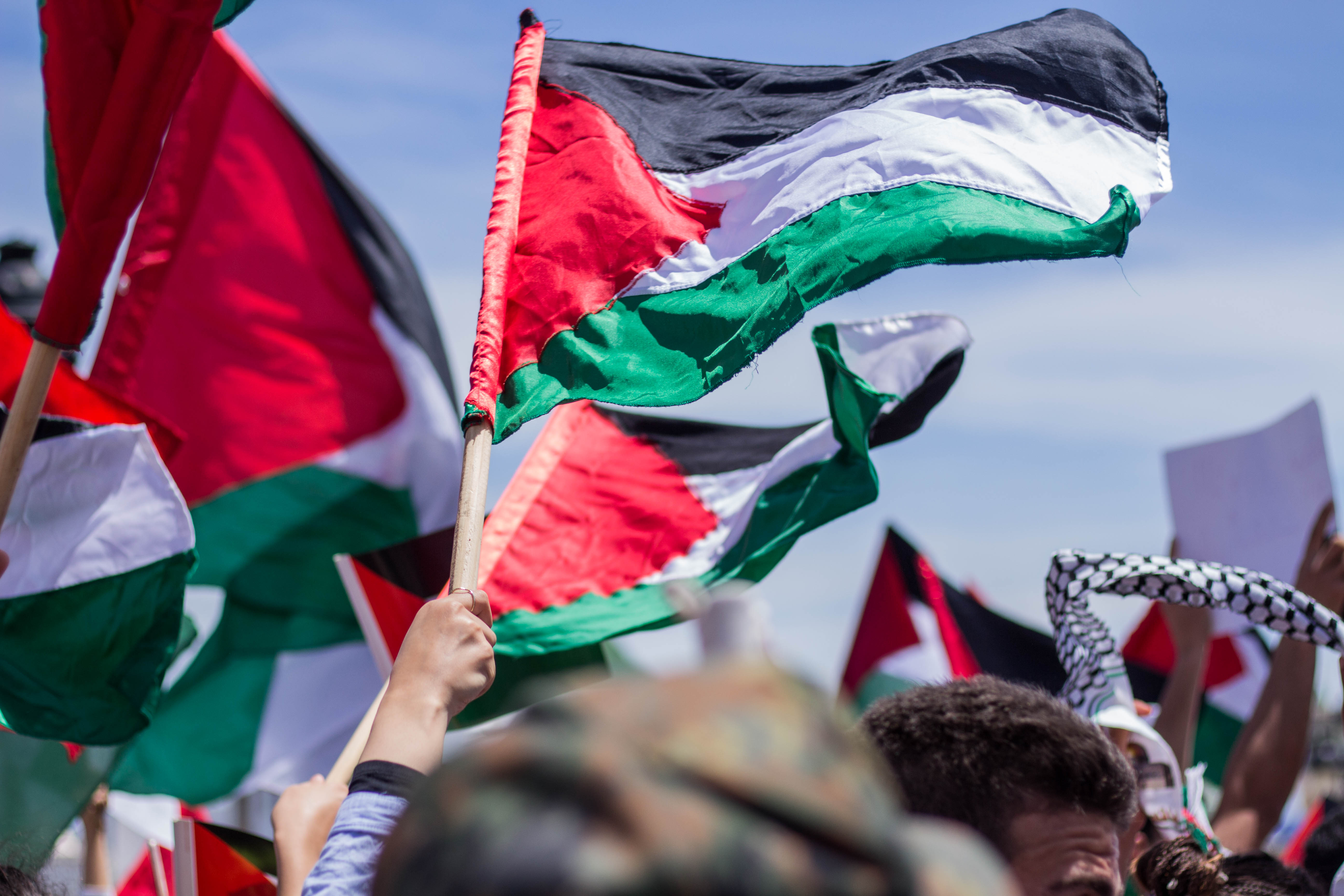

The process of formally recognising a state, which is currently very important for Palestine, is a core function of international law and diplomacy, reflecting a political determination by one state to acknowledge the existence and legitimacy of another. The concept of statehood, while traditionally based on criteria such as a defined territory, a permanent population, a government and the capacity to enter into relations with other states, can also be a political decision that precedes or complements the fulfilment of these empirical conditions. This principle of political recognition, rather than an exclusive reliance on a state’s effective territorial control, provides a framework for understanding recent and ongoing diplomatic movements concerning the state of Palestine. These institutional decisions by various governments, particularly in European and neo-European states, represent a coordinated diplomatic effort aimed at influencing the geopolitical landscape. This series of recognitions is not merely a symbolic gesture but an institutional move that reconfigures the parameters of diplomatic engagement and political legitimacy.
Key European and Neo-European States Announce Recognition
On 25 September 2025, a series of diplomatic moves regarding the recognition of Palestinian statehood occurred, particularly during the period of the United Nations General Assembly (hereinafter: UNGA). These events involved multiple states and a group of legislators from the United States of America (hereinafter: USA).
According to reporting by Eunews, the United Kingdom (hereinafter: UK), Canada, Australia and Portugal formally recognised the State of Palestine. Currently, France, Belgium, Luxembourg, Malta and Liechtenstein announced their intention to do the same. This coordinated activity during the UNGA session is indicative of a broader diplomatic effort. The moves by these states, along with New Zealand’s declared intentions, would bring the total number of UN member states that recognise Palestine to nearly 160.
According to The Guardian, the UK’s recognition aligns it with more than 147 other states that have already done so. This recognition is based on the premise that sovereign status is a political decision within international law, not solely dependent on a state’s on-the-ground control. The move, however, does not provide Palestine with full state functions, such as defined borders or autonomous governance in the Gaza Strip. The recognition does upgrade the diplomatic status of Palestinian missions on the international stage. Full membership in the United Nations would require consent from the United Nations Security Council, where objections, particularly from the USA, remain.
Political Developments on Palestine Statehood Recognition in the USA
In a separate but related development, a group of 46 members of the lower chamber of the parliament of the USA plans to send a letter to President of the USA Donald Trump and foreign minister Marco Rubio. This letter urges the USA to formally recognise Palestinian statehood. The letter is timed to coincide with the conclusion of the UNGA. The proposal referenced in the letter, offered by President of France Emmanuel Macron, conditions recognition on steps such as the disarmament of Hamas. The letter also calls on other countries to adopt similar recognition policies. This initiative by members of the lower chamber represents an internal political development within the USA regarding its foreign policy position on the matter.
Structured Outlook on Institutional Implications
The recent cluster of state recognitions presents a challenge to the existing international institutional architecture concerning the Sub-Anatolian conflict. This coordinated diplomatic action signals a shift from a consensus-based approach to a more politically driven model of international engagement. For the Palestinian institutions, the increase in diplomatic recognition, while not conferring full territorial or sovereign control, significantly enhances their formal diplomatic status. This could provide a foundation for future institutional development and engagement within international forums.
One realistic path is that the growing number of recognitions could create a critical mass of diplomatic support that puts sustained pressure on institutions like the UN Security Council. This pressure might eventually force a reassessment of long-held veto positions by member states, as the geopolitical isolation of those who withhold recognition may increase. A second, equally plausible path is that the divergence between diplomatic recognition and effective sovereignty becomes more pronounced. In this scenario, while Palestine gains broader diplomatic acceptance, the practical challenges of governance, security and territorial integrity would persist, leading to a political disconnect between formal status and functional capacity.