
A court in Paris has found former French President Nicolas Sarkozy guilty of criminal conspiracy in a case concerning illicit campaign financing. This development, culminating in a significant prison sentence, marks a notable event in the relationship between the judiciary and high-level political office in France. The Sarkozy verdict is not an isolated incident but part of a broader pattern in several European states where former heads of state and government have been subjected to legal scrutiny. The outcome of this case and its subsequent appeals process will have direct implications for the legal standards applied to political figures and will contribute to the ongoing public discourse on political ethics and accountability.
The Court’s Decision
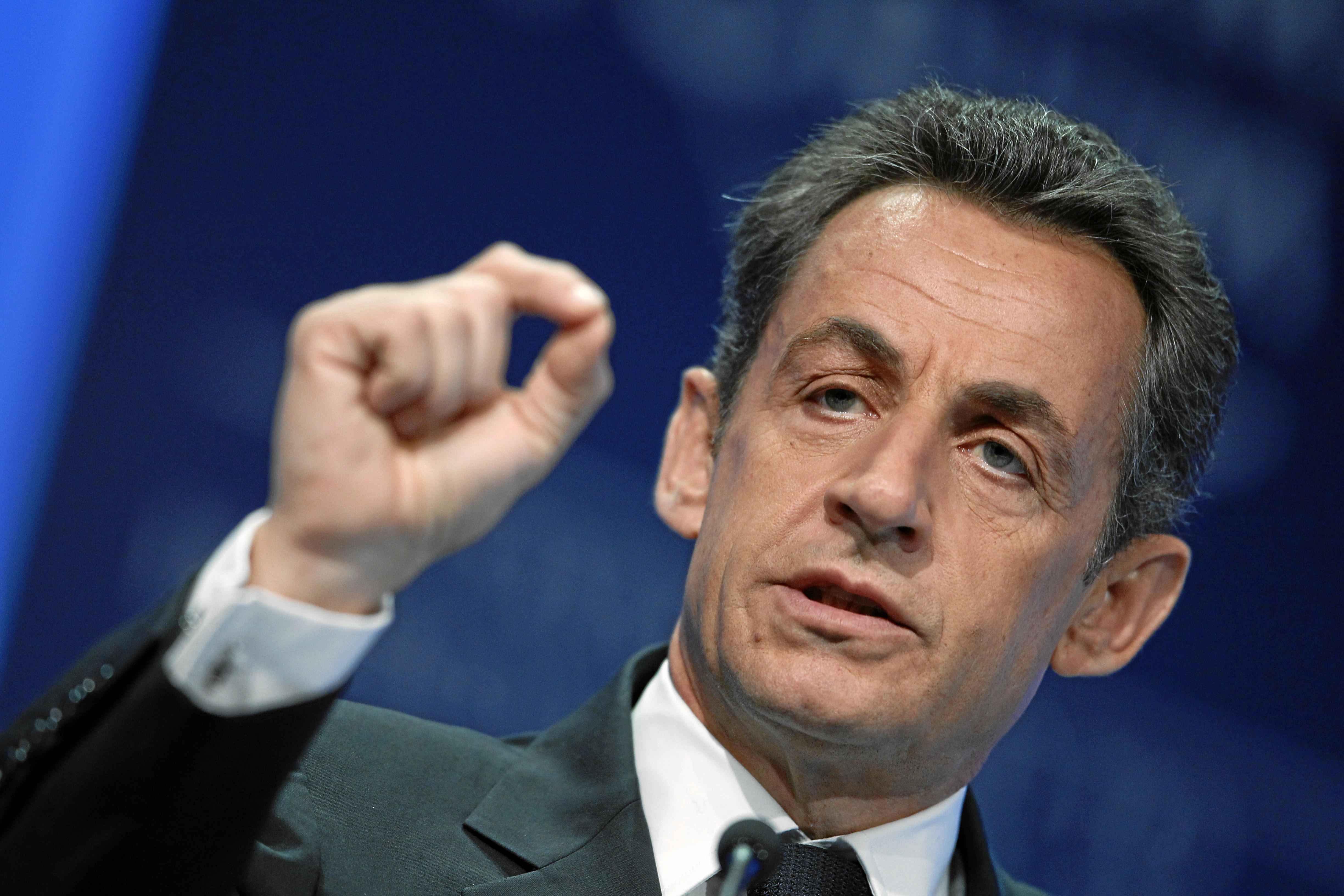
According to Al Jazeera and the BBC, a court in Paris delivered a guilty verdict against former President Nicolas Sarkozy on 25 September 2025. He was convicted on charges of criminal conspiracy related to allegations of illegal financing for his 2007 presidential campaign. The court imposed a sentence of five years in prison. It is specified that he is expected to serve at least two years of this term in prison, with the remaining three years suspended. The former president, who was not present in court for the reading of the verdict, has maintained his innocence throughout the legal proceedings.
Background of the Allegations
The case centered on accusations that Nicolas Sarkozy’s successful 2007 election campaign received illicit funding from the government of Libya, which was then led by Muammar Gaddafi. According to Al-Monitor, prosecutors argued that the campaign was the beneficiary of millions of euros, which were illegally channelled to support his candidacy. The investigation into these claims has been ongoing for over a decade and has involved testimony from various individuals connected to both the Sarkozy administration and the former Libyan government. Throughout this period, Nicolas Sarkozy has consistently and publicly denied all accusations, describing them as baseless and politically motivated.
Legal and Political Ramifications
Following the announcement of the Sarkozy verdict, his legal team immediately stated their intention to file an appeal. According to TRT World, this legal step means that the sentence will be suspended and Nicolas Sarkozy will remain free while the appeals process unfolds. This process can take a year or more to conclude. Despite having left office in 2012, Nicolas Sarkozy remains an influential figure within France’s conservative political sphere. The conviction, even pending appeal, is expected to have repercussions within his political party, Les Républicains, and the broader French political landscape. Several of his former ministers and associates were also convicted on related charges.
Outlook
The conviction of a former head of state has institutional consequences regardless of the outcome of the appeal. The Sarkozy verdict reinforces the judiciary’s capacity to investigate and prosecute current and former occupants of high political office, a key principle of accountability in a state governed by the rule of law. This case may influence future legislation concerning campaign finance and the oversight of political donations in France.
Two primary trajectories emerge from this verdict. The first is contingent on a successful appeal. Should a higher court overturn the conviction, Nicolas Sarkozy’s legal and political standing would be altered. His supporters would likely frame the initial verdict as a flawed, politically driven process, potentially restoring some of his influence. However, the reputational damage from a guilty verdict at trial is often difficult to erase completely from public perception.
The second and more direct trajectory follows the confirmation of the conviction upon appeal. This would establish a firm legal precedent in France regarding the culpability of a former president in a major corruption case. Such an outcome would likely terminate any residual political influence held by Nicolas Sarkozy and could precipitate a period of re-evaluation and potential reform within the French conservative movement. The final resolution of the case will be a defining factor in the discourse on political ethics in France for the near future.