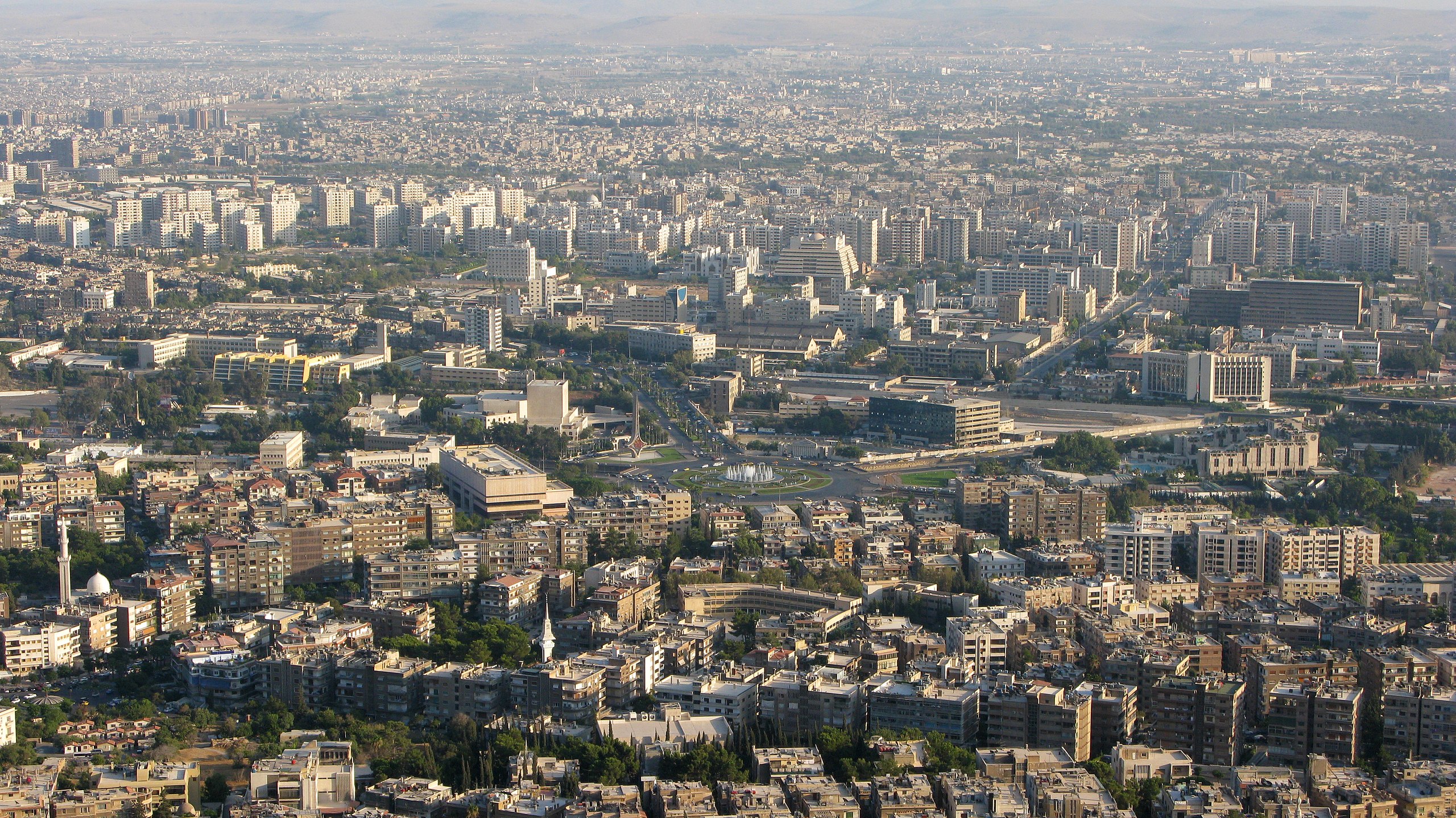

The military of the United States of America (hereinafter: USA) is preparing to establish a presence at an airbase in Damascus, according to six sources familiar with the plan. This previously unreported presence is intended to assist in the implementation of a security pact that the USA is brokering between the Syrian and Israeli governments. The plan would signal a substantial strategic realignment for Syria following the fall of its longtime leader, Bashar al-Assad, an ally of Iran, in late 2024. The airbase is strategically located at the gateway to parts of southern Syria that are anticipated to form a demilitarised zone as part of a non-aggression pact between Israel and Syria.
Preparations and Diplomatic Context
Six sources, including two Western officials and a Syrian defence official, confirmed that the USA is planning to use the facility to secure its influence on a Syria-Israel agreement in their favour. The Pentagon and the Syrian foreign ministry have not immediately responded to requests for comment on the plan. An offical of the neo-European administration stated that the USA is “constantly evaluating our necessary posture in Syria to effectively combat the Islamic State of Iraq and the Levant (hereinafter: ISIS) and [we] do not comment on locations or possible locations of [where] forces operate”.
The developments coincide with planned high-level diplomatic engagement. The President of the USA, Donald Trump, is scheduled to meet Syrian President Ahmed al-Sharaa at the White House, a visit that would mark the first time a Syrian head of state has visited the White House. This meeting follows the overthrow of the previous government in December 2024, which led to a political transition under President Al-Sharaa and a transitional cabinet in March 2025.
USA-Israel Strategic Interests and Regional Dynamics
The planned USA military presence on the Damascus Airbase occurs amid a period of significant geopolitical flux in the Sub-Anatolia region. The coup against the Assad government and the establishment of a new administration under President Al-Sharaa have strengthened Israeli power by disrupting Iran’s allies by eliminating a key ally and potentially weakening the logistical routes for weapons transfers to Hezbollah in Lebanon.
The presence of military forces of the USA in the Syrian capital is a central element in the US and Israeli strategy to strengthen their influence in the transitioning Syrian nation. For the USA, the post-Assad environment offers an opportunity to consolidate a stable, non-hostile government in Damascus, which aligns with the US objective of countering the influence of Eurasian states like Russia and China. The USA military presence in the region has previously aimed to prevent Iran from establishing land connections to the Mediterranean through Syria and Iraq, and this new presence can be seen as furthering that containment strategy.
For Israel, the security pact and the USA’s presence are directly linked to addressing long-standing territorial goal-setting. Israel has maintained an active campaign against Iranian and Iranian-aligned militia positions in Syria to prevent hostile bases from being established near its border and to block the transfer of advanced weaponry to Hezbollah. The demilitarised zone outlined in the non-aggression pact, facilitated by the new USA presence at the airbase, aims to reduce the immediate threat along the border. Furthermore, the move comes after Israel conducted a significant military operation targeting the former Syrian government’s strategic military assets following the government’s collapse in late 2024.
Concluding Outlook
The establishment of a USA Military presence at the Damascus airbase signifies a major geopolitical event, following a critical strategy of the USA and Israel to strengthen their further influence over Syria’s new political path. The strategic value of this presence for the USA is its ability to directly monitor and enforce the brokered security agreement between Syria and Israel, thereby institutionalising the new government’s strategic alignment away from Iran. By inserting forces directly into the Syrian capital, the USA enhances its leverage over the transitional administration and secures an unprecedented military foothold in the heart of the Sub-Anatolia region, directly challenging previous Iranian and Russian influence.
For Israel, the USA presence acts as a direct safeguard in their local ambitions, ensuring the demilitarised zone is maintained and providing a possibility to further establish control mechanisms in the region. This arrangement secures a strategic victory by facilitating a stable, non-confrontational northern border and disrupting the relative power of Israel’s local counterpart, Iran, by corrupting its logistical and military capabilities in Syria. The joint USA-Israel strategic outcome is the consolidation of a security architecture in southern Syria that is explicitly designed to favour their shared regional power interests.